Why Does Phone Screen Replacement Price Change by Model?
Two phones can both have broken screens and still produce very different repair quotes. The reasons usually involve panel technology, part supply, frame complexity, and post-repair risk.
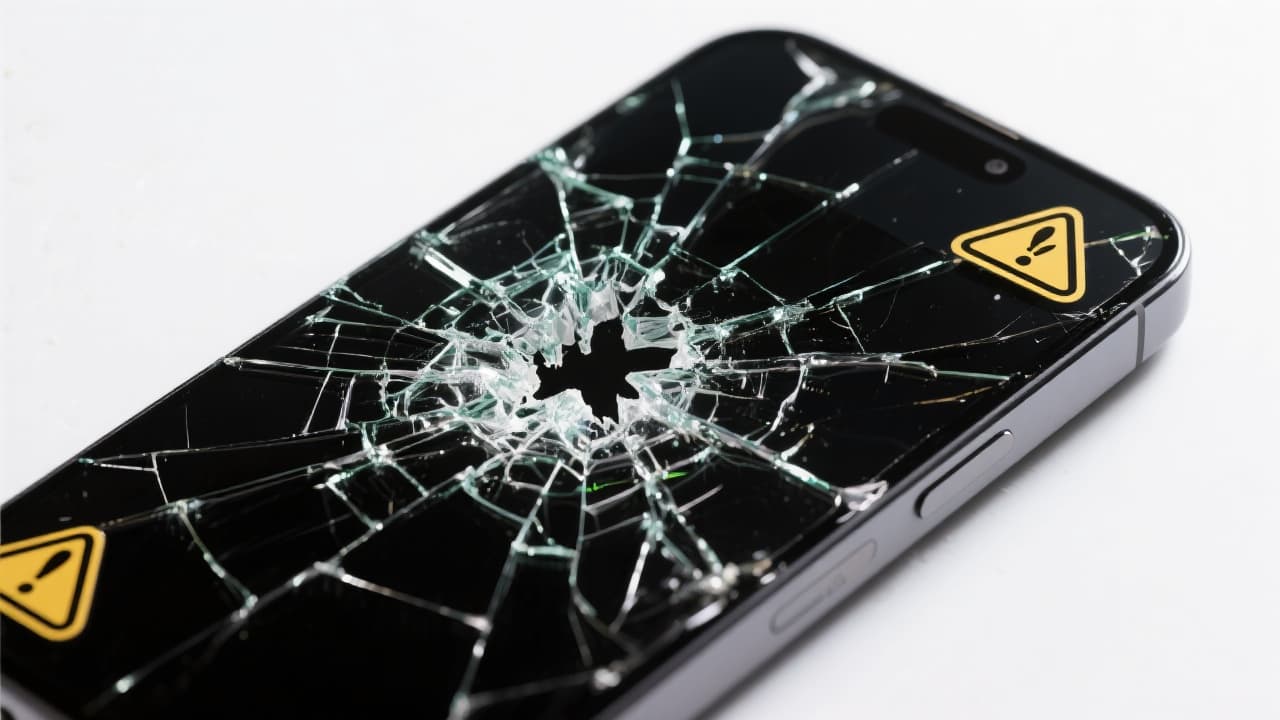
Customers often ask why one screen costs far more than another when both devices look similar from the outside. In repair, the price is tied to the technology inside the phone, not only to the size of the crack.
Display Technology Changes the Baseline
An LCD, OLED, AMOLED, curved, or foldable screen does not live in the same cost bracket.
Technology-related price factors
- AMOLED and OLED panels are usually costlier than basic LCD units
- High refresh rate or premium color performance raises part cost
- Curved and foldable displays bring higher replacement risk
- Some flagship models use harder-to-source assemblies
The Phone Frame and Repair Difficulty Matter Too
Some devices are easier to open and reassemble, while others demand more time and precision.
Labor-side price factors
- Tight layouts increase disassembly time
- Extra adhesive or fragile design raises damage risk during repair
- Sensor or calibration-sensitive models require additional checks
- Heavier testing can be needed on premium devices
Service Quality Also Affects the Final Quote
Not every quote includes the same part quality, workmanship standard, or after-service support.
Why a higher quote may still be justified
- Better part quality or stricter testing process
- Clearer warranty terms
- More experienced handling on fragile models
- More honest communication about what the repair can and cannot preserve
Conclusion
Screen replacement prices vary by model because the repair is shaped by both part cost and repair difficulty. A useful comparison should include panel type, labor quality, and warranty scope, not just the headline number.
Our Professional Repair Services
Need expert help with this issue? Visit our service center!
Need Professional Help?
If you are comparing screen prices, share the exact model first. That is the only way to evaluate the quote against the real repair difficulty and part class.