What Should You Do First When a Phone Falls Into Water?
The first minutes after water exposure matter more than most people think. Here is the right emergency sequence, and which common myths can make the damage worse.
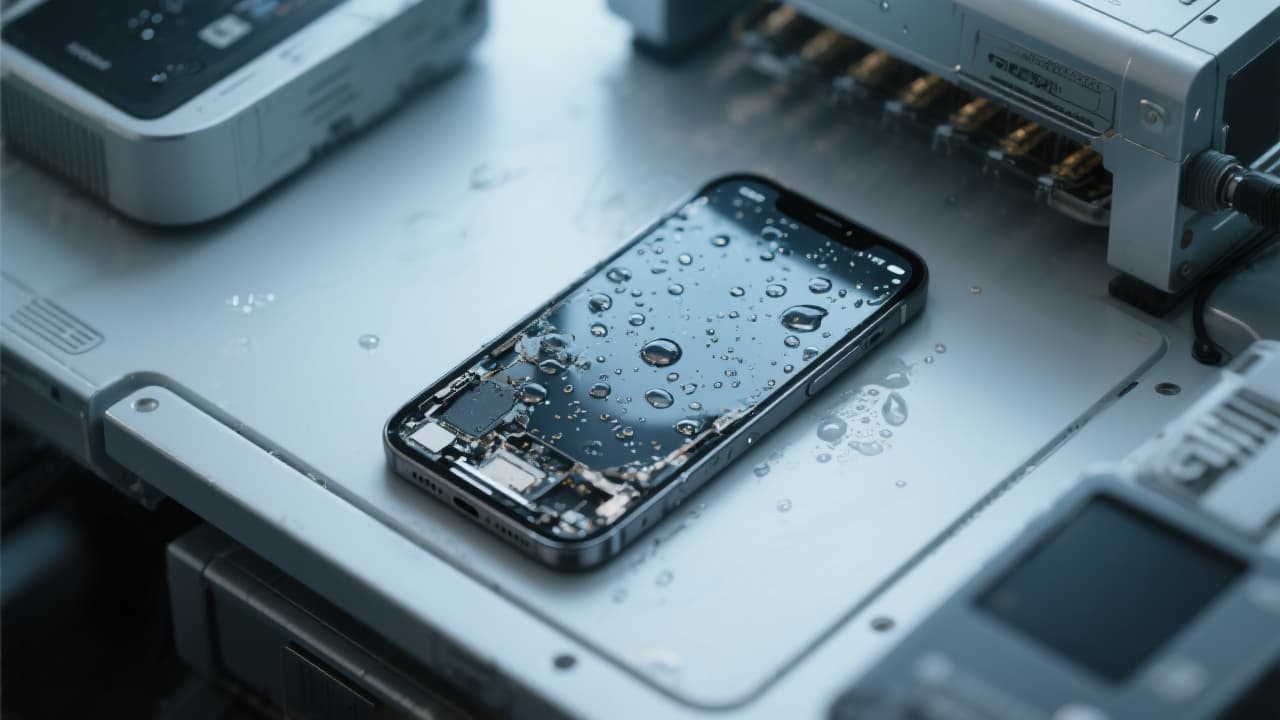
A phone that falls into water does not always die instantly. But the wrong response in the first minutes can turn a recoverable device into a much more expensive repair.
The First Priority: Cut Power Risk
Electricity and moisture together create the real danger. The goal is to stop current flow and avoid further shorting.
1Immediate first actions
Move quickly, but do not panic-test the device.
- Take the phone out of the water immediately
- Power it off if it is still on
- Do not plug it into a charger
- Remove case, SIM tray, and visible accessories
- Dry the exterior gently with a soft cloth
What Not to Do
Some popular home remedies create false confidence or push moisture deeper into the device.
Avoid these mistakes
- Do not charge the phone to “test” if it survived
- Do not use a hair dryer with direct heat
- Do not shake the phone aggressively
- Do not assume rice is a professional drying solution
Why Professional Cleaning Matters
Visible water is only part of the problem. Corrosion can continue after the surface seems dry, especially around connectors and board-level components.
What a service check can help determine
- Whether liquid reached the motherboard area
- Whether connectors, display, or battery lines are affected
- Whether oxidation has started around key components
- Whether the phone should be cleaned before any power attempt
Conclusion
The correct first move after water exposure is not to “try your luck.” It is to reduce power risk, avoid harmful myths, and evaluate the phone before corrosion spreads further.
Our Professional Repair Services
Need expert help with this issue? Visit our service center!
Need Professional Help?
If your phone has been exposed to water, a fast diagnostic check is often more valuable than waiting at home and hoping the problem disappears on its own.